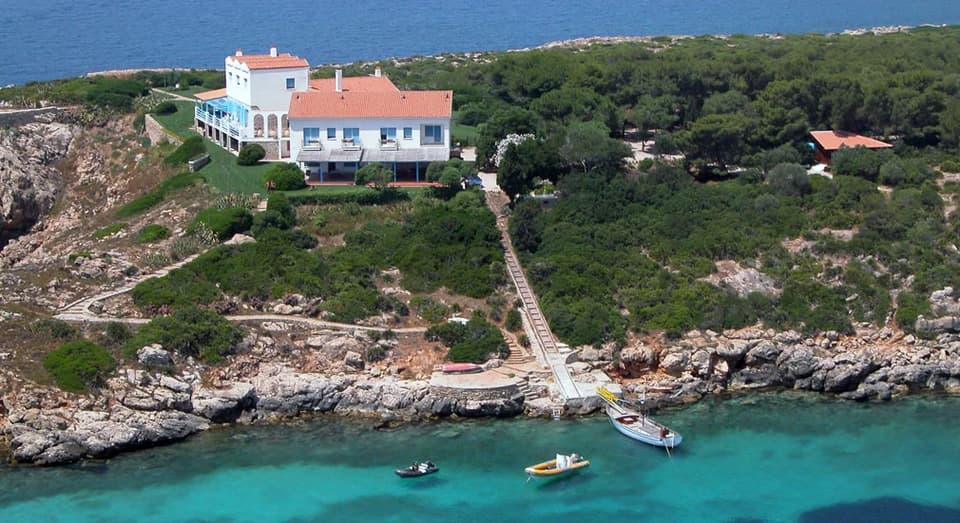
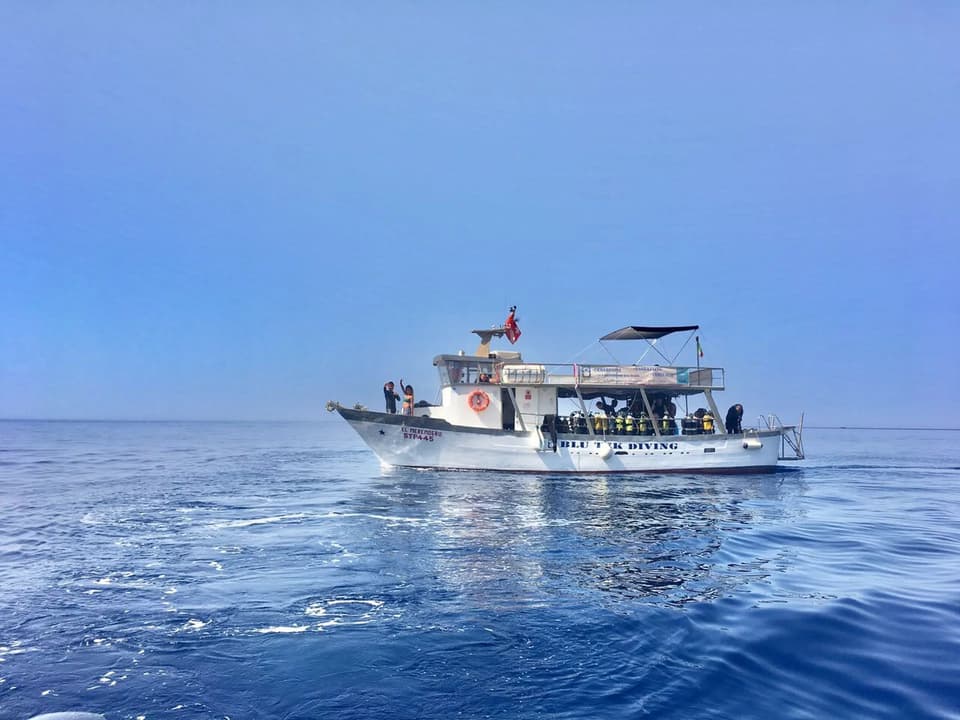
Diving in Italy allows you to explore some of the most incredible aquatic destinations in the world, such as the Mediterranean Sea and the Adriatic Sea. The combination of deep blue waters, stunning underwater cliffs and unique marine life creates an amazing experience for any diving enthusiast.
Discovering Italy by sea
One of the greatest joys of diving in Italy is discovering the unexplored world beneath the waves. From fascinating underwater caves to emerald-colored seabeds, divers are sure to experience some of the most incredible sights this beautiful country has to offer. Divers can also explore the sunken treasures of the Italian coastline, including ancient shipwrecks and archaeological sites. All in all, diving in Italy is an experience not to be missed.
Italy's vibrant marine life
Divers in Italy will have the opportunity to experience some of the most vibrant marine life in the Mediterranean. Italian marine life is impressive and diverse, with a wide variety of fish, sea creatures and even coral formations. Even experienced divers will be amazed at the spectacular sights that can be seen underwater in Italy.
The best places to dive in Italy
Regardless of the time of year you visit, there are many spectacular dive locations to choose from in Italy. Some of the most popular destinations are Elba, Porto Conte Regional Natural Park, Sardinia and Ustica. Each of these destinations offers its own unique underwater scenery, and all are a must for any diving enthusiast.
Diving in Sardinia
Sardinia is renowned for offering the best diving experience in Italy and possibly the entire Mediterranean. It attracts divers of all levels, with its caves for technicians, wrecks for history buffs and diverse shore dives for those just starting out.
Divers can discover a variety of marine life, from eagle rays, tuna and barracuda to dolphins and octopus. They also have the opportunity to observe sponges, nudibranchs and various species of macro life throughout the year.
Diving in Elba and Ustica
Elba, an enchanting island located in the west of Italy, an immense natural heritage enclosed in the Tyrrhenian Sea Park. The island of Ustica, also located in this region, stands out for its marine life and seabed morphology.
Tips for diving in Italy
Having the opportunity to dive in Italy can be an amazing experience, but there are a few things to keep in mind before you dive. It is important to make sure you have all the right equipment and gear, and know any local rules and regulations regarding diving. Also, make sure you always take a professional or experienced diver with you to ensure your safety.
Book your next dive with Scuba Finders
Diving in Italy is an incredible experience not to be missed. With its breathtaking underwater landscapes, vibrant marine life and ancient wrecks, Italy is a paradise for any diving enthusiast. So pack your bags and take the opportunity to explore some of the most beautiful underwater destinations in the world. We also invite you to get to know Scuba Finders partner dive centers that will help you make the most of your dive in Italy. Happy diving!
Frequently Asked Questions
What types of diving courses can I find in Italy?
In Italy, you can find a wide variety of diving courses suitable for all levels of experience. These can range from basic courses for beginners to advanced and technical diving courses. You can also find specialized courses such as night diving, deep diving and wreck diving.
How much does a diving course in Italy cost?
The price of a diving course in Italy can vary depending on the type of course, duration and location. However, on average, you can expect to pay between 200 and 500 euros for a diving course. We recommend you to contact us for more accurate and updated information.
What is the diving weather like in Italy?
Italy offers year-round diving conditions, although conditions may vary depending on the season and location. The main diving season is from May to October when water temperatures are between 18ºC and 26ºC. However, winter diving is also possible in some areas, although water temperatures will be colder.