Location and History 📍
Lloret de Mar is situated in the province of Girona, Catalonia. With its unique mix of sandy beaches, hidden coves, and rich history, it offers a perfect setting not just for diving but also to enjoy a rich cultural and natural experience.
Water Conditions 💧
Temperature: The waters around Lloret de Mar maintain a pleasant temperature ranging from 13°C in winter to 24°C in summer.
Visibility: Visibility is exceptional, often reaching up to 30 meters, allowing for clear and detailed dives.
Highlighted Dive Sites 🤿
1. The Titanic Wreck 🚢
2. La Roca Muladera 🪨
Features: Popular for its rock formations and the marine life it attracts, including octopuses, moray eels, and a variety of rockfish.
Depth: 12 to 25 meters.
3. The Caves of Cala Trons 🌌
Marine Life 🐠
The biodiversity in Lloret de Mar is impressive, with a wide variety of marine species such as:
Fish: Damselfish, sea bass, bream, and gilt-head bream.
Invertebrates: Octopuses, starfish, anemones, and nudibranchs.
Large encounters: Rays and, occasionally, Mediterranean sharks.
Diving Services 🛎️
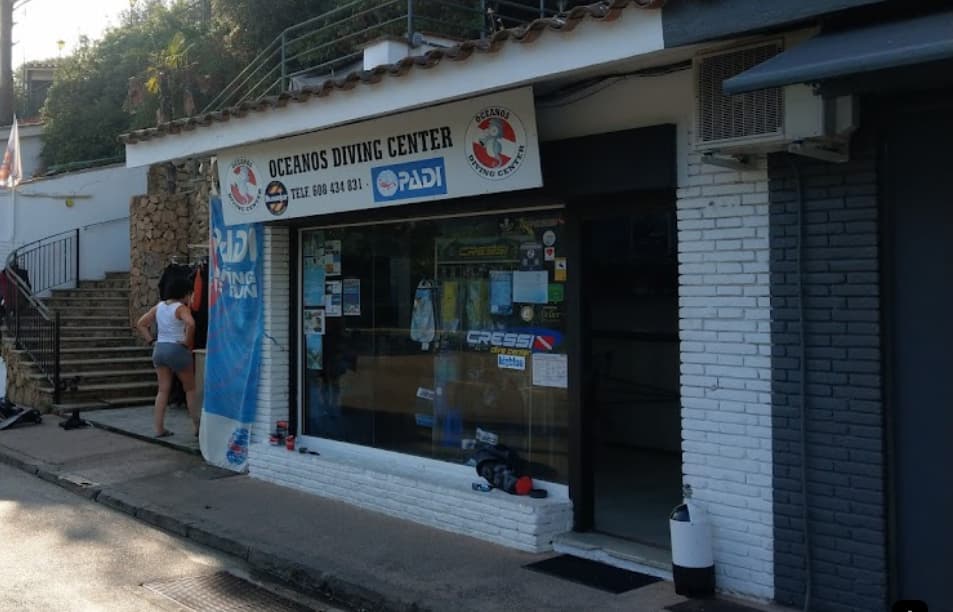
Lloret de Mar boasts several top-class diving centers that offer:
Diving Courses: From beginners to advanced levels, including PADI and SSI.
Equipment Rental: Everything needed for a safe and comfortable dive.
Guided Tours: To explore the best dive sites with local experts.
Tips for Divers 🌐
Best Time to Dive: The diving season runs from May to October when conditions are optimal.
Conservation: Respect the marine environment. Do not touch or collect marine life and maintain good buoyancy to avoid damaging corals.
Lloret de Mar is not only a destination to enjoy the sun and the beach but also a paradise for divers, offering memorable dives in the heart of the Costa Brava. 🐙🌞